
Mutations
Ride a Dino mutations treated as a decision framework: what the confirmed speed boost stacks on, when to mutate, mutation versus rarity, and why published mutation lists fail.
Introduction
Mutation is the last step in the loop Ride a Dino is built around, and it is also the step the game says the least about. What the official description confirms is narrow, and worth repeating exactly: you can mutate your dinosaurs, and doing so boosts their speed even further, stacking on top of the speed a dinosaur already hatched with. It does not name a single mutation, publish the chance of getting one, or state how much speed any of them adds. That gap is where most third-party write-ups quietly go wrong, because a confident list is much easier to publish than an honest blank. Our approach is to treat the mutation layer as a decision rather than a lookup table. Work out what it sits on top of, decide whether to spend it on the dinosaur you are already riding or to hold back for a better hatch, weigh it against rarity when the two pull in different directions, and be sceptical of any specific figure you cannot trace to its source. Everything below is written to stay true as the game is updated, which matters here: Ride a Dino launched on 18 September 2026 and was last updated on 12 October 2026, so names, odds and tuning can all move between one patch and the next.
Mutation Decisions At A Glance
| Decision Point | What The Game Actually Confirms | Status | Typical Pitfall |
|---|---|---|---|
| Mutating a dinosaur at all | Mutations exist, and the one effect the official description names is a further speed boost on top of the speed the dinosaur already has | Confirmed | Dismissing the layer as cosmetic when the only effect the game names is a movement stat |
| Spending a mutation on the mount you ride now | Speed is the stat the game ties to reach, and riding a faster dinosaur is how you get to the eggs that are harder to find | Defensible | Pushing the layer onto the first dinosaur you hatch before you have any sense of what the next egg might give you |
| Holding the layer back for a better hatch | Hatches differ in both speed and rarity, so a later dinosaur can begin from a higher base for the layer to build on | Situational | Waiting so long for the ideal hatch that you never convert anything into a usable, map-crossing mount |
| Choosing between mutation and rarity | Rarity serves the collection goal the game names, while speed serves how far across the map you can actually travel | Situational | Assuming the two priorities always agree instead of deciding, per dinosaur, which one you are serving |
| Trusting a published mutation list | As of the 2026-10-18 data capture the game has published no mutation names, no appearance odds and no boost figures | Unattributable | Copying a tidy table of named mutations straight out of a different dinosaur collection game |
| Planning long term in a weeks-old build | Ride a Dino launched on 18 September 2026 and was last updated on 12 October 2026, so the systems are still moving | Volatile | Locking a long-term plan to a system that a single patch can rename, retune or restructure |
Working Through Mutation Choices
Mutating The Dino You Ride
Spending on your current mount
Holding Out For A Better Hatch
Delaying the mutation layer
Mutation Versus Rarity
When two goals pull apart
Why Published Mutation Lists Fail
Names and odds with no source
Sanity-Checking Community Claims
A three question filter
Hedging In A Weeks-Old Game
Playing a moving target
Core Mechanics
Mutation is a layer, not a starting point, and how useful it is depends entirely on what sits underneath it. The confirmed chain runs from exploring the map for hidden eggs, to hatching them into dinosaurs that differ in speed and rarity, to riding the faster results so you can reach eggs that are harder to find, and only then to mutating a dinosaur so that its speed is boosted further. That ordering matters when you make decisions, because the same mutation landing on a faster dinosaur produces a faster mount than it would on a slower one: the layer builds on whatever base you bring to it. The game states the effect and stops there. It does not publish the shape of the system around it, so official material tells us nothing about whether mutations apply one at a time or accumulate, whether one can be replaced or removed, or whether the layer carries any cost to apply. What can be said with confidence is the part that has been stated: mutation raises speed. Everything beyond that sentence is inference, and it should be labelled as inference in your own notes until the developer publishes more detail.
Advantages
Engaging with mutation is the cheapest way to keep a dinosaur useful after you have already hatched it. Speed is the game's one confirmed stat axis, and it is wired directly into exploration, because the official description says riding faster dinosaurs is how you reach the eggs that are harder to find. An improvement to speed is therefore not just a nicer figure on a card: it converts into map coverage, and map coverage converts into new eggs, which feed back into better hatches. The second advantage is that the mutation layer is the only lever the game confirms you can pull on a dinosaur you already own. You can always wait for the next hatch, but that is a gamble on something you have not seen yet, whereas building on the dinosaur in front of you is an action available immediately. Third, thinking about mutation forces useful clarity about your own goals. It is the point in the loop where you decide whether this dinosaur is your working mount or a collection piece, and that single decision organises everything else you do in a session.
Challenges
The weakness of the mutation layer is opacity, and it is a real one. As of the 2026-10-18 capture the game has published no mutation names, no chance of obtaining any particular result, and no figures for how much speed any mutation adds. That makes precise planning impossible. You cannot calculate whether it is better to improve several dinosaurs lightly or one heavily, or work out where the expected gain stops justifying the effort, because there is no published distribution to reason about. The second weakness is noise. Several Roblox games share this title, and the wider dinosaur collection genre has its own mutation vocabulary, so a search for mutation information returns a great deal of material that looks relevant and is not. The tidy lists are the most misleading part of it precisely because they look authoritative. The third weakness is timing. A game thirty days old can retune a system between updates, so effort spent optimising against today's behaviour may not survive to the next patch, and the sensible response is to stay loose rather than specialise hard.
Frequently Asked Questions
What do mutations actually do in Ride a Dino?+
Is there a real mutation list or ranking I can look up?+
Should I mutate the first dinosaur I hatch, or wait for a better one?+
How likely is it that mutation details will change?+
Quick Tips
Keep the confirmed premise at the top of your own notes: mutation exists, it boosts speed, and the boost stacks on top of the speed the dinosaur already hatched with. Everything past that sentence is either inference or imported from somewhere else. Writing the boundary down is what stops unverified details from sliding quietly into your plan later, and it gives you a fixed point to re-check against after an update.
Before you trust a mutation claim, work out which game it is actually about. Several Roblox titles use this name, and the wider dinosaur collection genre has its own mutation vocabulary. The safest habit is to compare the claim against the official description first and keep only the parts that line up with it, because a claim that goes further than the game does has to be getting its detail from somewhere else.
Pick one dinosaur per session to be your speed project rather than spreading attention across several. The layer builds on a base, so a single mount that keeps improving will cross more ground than several mounts that each received a little attention, and concentrating this way also keeps your judgement about whether progress is actually happening simple to make.
Decide which ledger each dinosaur belongs to, speed or collection, and stop asking it to serve both. The game names collecting rare dinosaurs as a goal in its own right, so a rare hatch is not wasted merely because it is not your fastest mount, and a quick dinosaur is not diminished by being unremarkable in a collection sense.
Re-read the official description after every update, and date whatever you record. The game is weeks old and was updated on 12 October 2026, so a note without a date becomes impossible to interpret later, because you will not be able to tell whether the game changed underneath it or the note was wrong from the beginning.
Featured
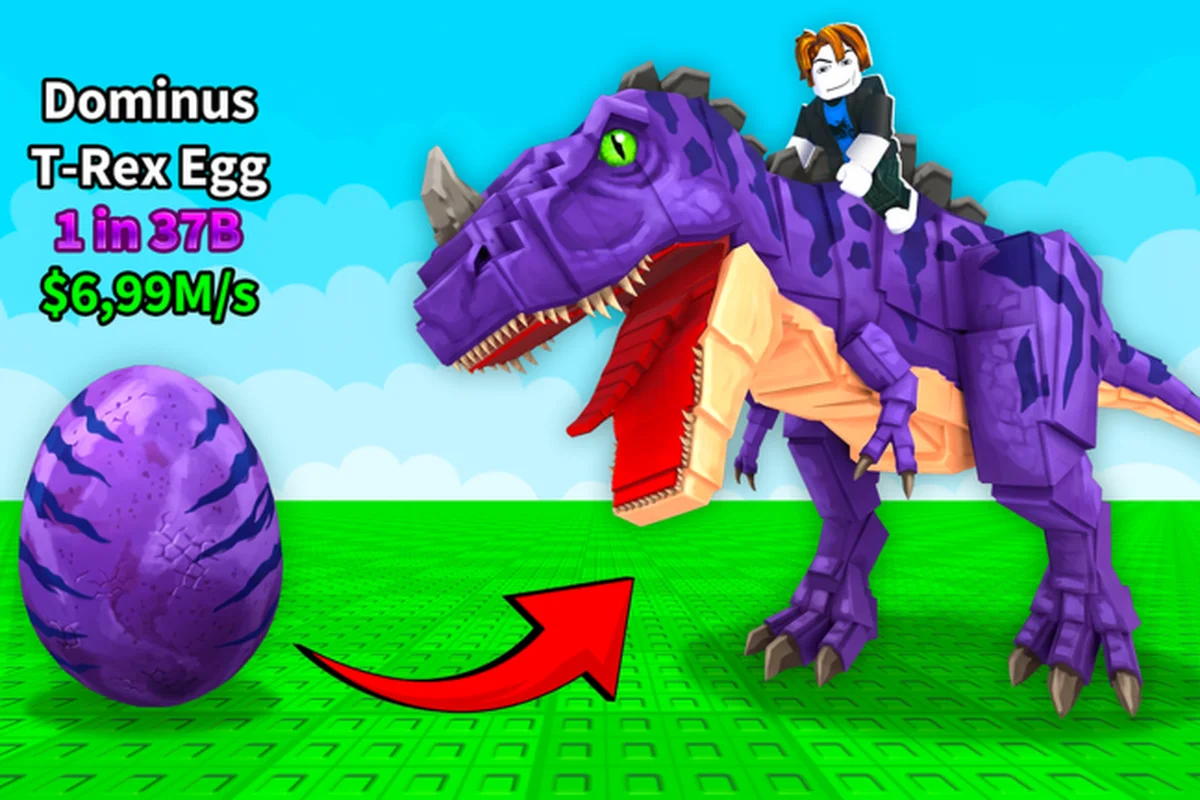
Ride a Dino Mutation Chance: Odds, Rates & Farming Tips
Learn the real Ride a Dino mutation chance, see how odds shift between rarities, and pick up farming tricks to score rare mutated dinos faster.
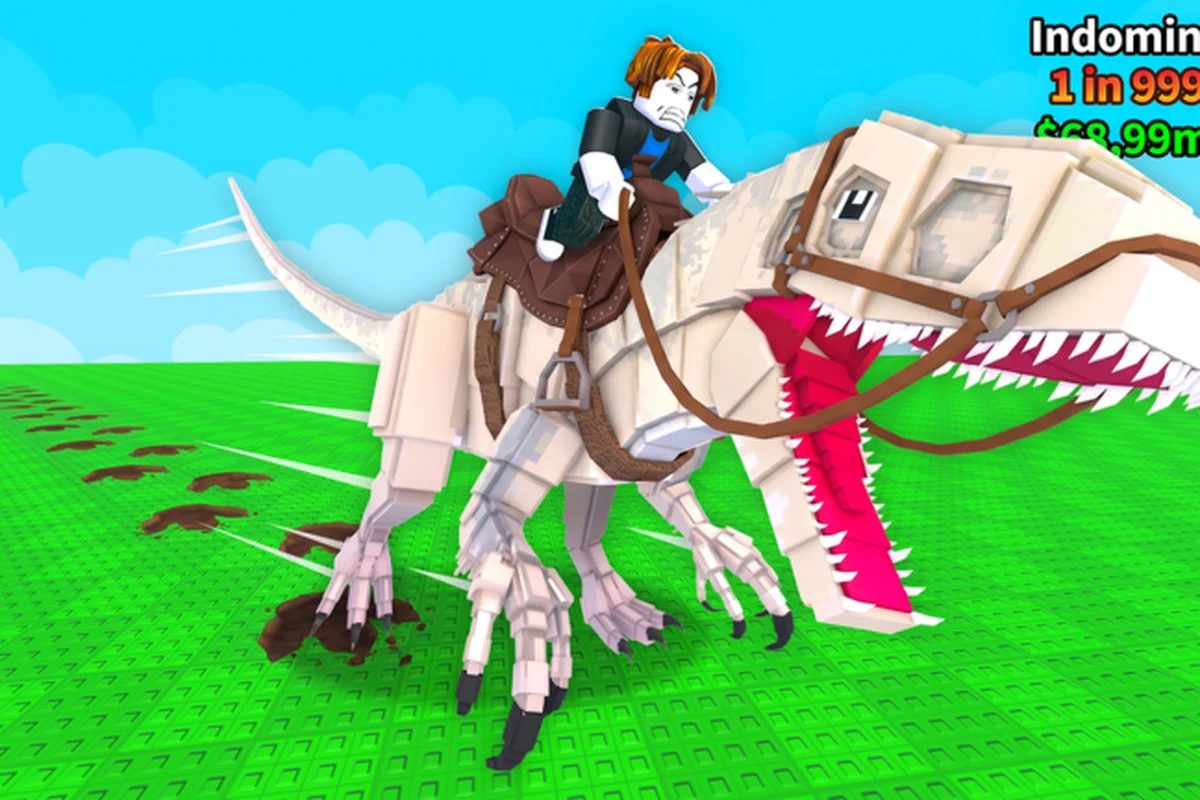
Ride a Dino Mutation Meaning: Effects, Choices & FAQ
Understand Ride a Dino mutation meaning, see which effects actually change gameplay, and get clear answers to the most common mutation questions.
Ride a Dino Do Mutations Change Look: Colors, Glow & More
Find out if Ride a Dino mutations change your dino's look, from new color palettes to glow effects, and learn which visual upgrades actually appear in-game.
All Articles
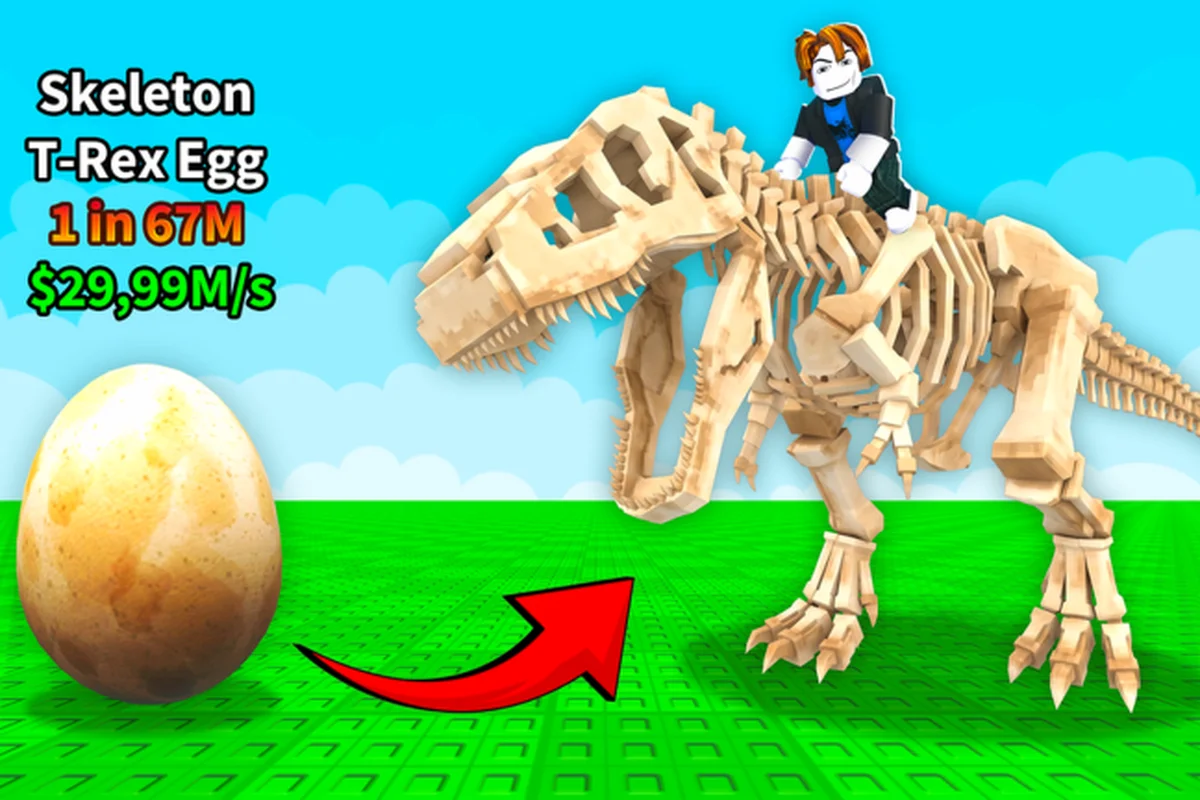
Ride a Dino Should You Mutate? What It Actually Does
Decide Ride a Dino should you mutate on what the mechanic actually does: a speed boost for the mount you ride, with no published cost or hatch effect.
Ride a Dino Mutation Guide: When to Mutate and Which Dino to Pick
Follow the Ride a Dino mutation walkthrough to trigger effects, stack the strongest stat boosts, and decide which mount deserves every reroll.
Ride a Dino Mutation Tips: Smarter Moves Before You Mutate
Pick up Ride a Dino mutation tips that cover rerolling, stacking effects on the right dinos, and avoiding common beginner mistakes in the mutation system.
Ride a Dino Are Mutations Permanent: What Lasts Between Sessions
Get a clear answer on whether Ride a Dino mutations are permanent, learn how multipliers stack across sessions, and plan a long-term mutation strategy.