
Dinosaurs
How to judge a fresh Ride a Dino hatch: read speed and rarity as separate signals, decide when to switch mounts, and know what to keep collecting.
Introduction
The dinosaurs in Ride a Dino are not a roster you can memorise from a wiki page, and that is the single most important thing to understand about this category. The official game description promises that hatching produces dinosaurs with better speed and better rarity, and that riding a faster one lets you reach eggs that were previously out of range, but it names no species, no rarity tiers and no stat tables. Every dinosaur you own is therefore an individual rather than a member of a documented class. Two hatches can read completely differently on the two axes that matter, and the decision in front of you is always the same one: do I keep riding this dinosaur, or do I switch? This page treats dinosaurs as a judgement problem instead of a list. You will learn to read a fresh hatch as two separate signals, to work out which of your mounts has actually earned the saddle, and to tell the difference between a dinosaur that is valuable to own and a dinosaur that is useful to ride right now.
Reading a Fresh Hatch: The Two Signals
| Signal | What It Actually Reflects | How To Read It | Standing |
|---|---|---|---|
| Speed reading | How much ground your mount covers in a given time, which sets how far from your usual route you can travel before turning back | Ride the same stretch of known map with two candidate mounts and compare arrival, not a number you have not verified in your own session | Ride now |
| Rarity reading | How uncommon this hatch is relative to everything else you have opened, which is what the official collection goal actually rewards | Compare the new dinosaur against your own hatch history; no tier levels are published, so your own record is the only honest baseline | Keep |
| The two disagree | A hatch can arrive quick but unremarkable, or uncommon but no faster than the mount you already ride | Score the two axes separately and refuse to average them into one vague feeling about the dinosaur | Split |
| Reach check | Whether this mount opens any egg location your current one cannot physically get to and return from | Ask the reach question first; a faster dinosaur that reaches nothing new has not moved your progression forward | Later |
| Ownership against use | A dinosaur can be worth owning without being worth riding, and the reverse case is just as common | Hold the uncommon one you never ride; the collection goal counts what you own, not how much saddle time it gets | Hold |
Mount Judgement Cards
The Fresh Hatch
Your first two-minute read
Switching Mounts
Routine, not a mistake
Keep Or Replace
The retention question
Mount Gates The Map
Speed is a key, not a trophy
Collection Value Versus Ride Value
Two separate ledgers
Third-Party Dino Lists
Treat them as unreliable
Core Mechanics
The mechanical reason dinosaurs are hard to write about is that the game exposes only two properties of a hatch, and neither one is published in advance. Speed is a travel capability: it decides how much ground you can cover before you have to turn back, which on a map built around hidden eggs is the same thing as deciding how deep into the world you are allowed to go. Rarity is a collection property: it decides how unusual this hatch is compared with everything else you have opened, and the official goal of building out your collection is what it feeds. Hatching improves both over time, and mutating pushes speed up again on top of whatever the hatch already produced, so a single dinosaur can be improved twice, once by luck at the hatch and once by deliberate investment afterwards. Because the two properties move independently, a hatch that is strong on one axis can be ordinary on the other, and an inventory slowly fills with dinosaurs that excel at exactly one thing. The working method is to score each axis on its own, then decide which dinosaur holds the saddle and which ones are collection pieces.
Advantages
Why approach dinosaurs this way instead of hunting for a list? Because a two-axis reading keeps working when the game changes. This is a young experience, roughly a month old at the time of the 2026-10-18 data capture, and the developer has already shipped at least one update since launch, so anything published as a fixed roster would go stale quickly, while a method for reading a hatch stays valid through those changes. The framework also protects you from the most common trap in this game's ecosystem, which is that most of the dinosaurs named in videos and posts under the name Ride a Dino belong to a different, unrelated experience carrying the same title. Judging your own hatches against your own record means you never depend on an outside authority that may be describing another game entirely. Finally, separating ownership value from riding value lets you get two different decisions right at once: which dinosaur carries you across the map today, and which ones you hold because the collection goal rewards owning them.
Challenges
The honest weakness of this category is that there is very little to be certain about, and no amount of writing can fix that. The game's own description names no species, no rarity levels and no speed figures, so every page here has to stay at the level of method. That makes the category less useful as a lookup table: if you arrived hoping to be told which dinosaur to chase, the answer is that nobody outside the developer can tell you yet, and anything claiming otherwise is guessing. It also means comparisons are subjective. You read speed by feel and rarity by your own hatch history, so two players with different past luck will reasonably reach different conclusions about the same dinosaur. The best case, a better dinosaur arriving from the next hatch, is also entirely outside your control, and a run of unremarkable hatches can stall progress for a while. Read this page as a way to make good decisions with uncertain information rather than as a source of answers.
Frequently Asked Questions
How do I know if a newly hatched dinosaur is any good?+
Should I switch my mount every time I hatch something new?+
Why does the dinosaur I ride matter for finding eggs?+
Are third-party dinosaur lists for this game reliable?+
Quick Tips
Read speed and rarity separately before you form any opinion about a hatch. Speed tells you what this dinosaur can do, and rarity tells you what it is worth owning, and the two frequently disagree. Averaging them into a single gut feeling is how players end up keeping a slow dinosaur because it looked impressive, or replacing an uncommon one because it did not feel quick that afternoon.
Use one familiar route as your speed test track. Pick a stretch of map you already know and compare every new mount over the same ground; a fixed reference turns a vague sense that this one feels faster into a comparison you can actually trust, and repeating it after each hatch costs you almost nothing.
Keep the collection piece even when it is not the mount. The official goal of building out your collection rewards ownership, so an uncommon hatch that is slower than your current rider still has a job in your inventory. Holding it costs you nothing, and replacing it later means hatching repeatedly for the same result again.
Assume any dinosaur name you read outside the game belongs to another game until you can verify it in your own session. At least three unrelated experiences carry this title, and the popular ones describe systems this game does not have. The cheapest protection is to believe only what you can see while playing.
Do not judge a dinosaur before you have mutated it, and do not mutate everything either. The game says mutation boosts speed, so a hatch that feels borderline can become your best mount after one investment, while a dinosaur you never ride is usually a poor place to spend the same effort. Decide the saddle first, then invest in it.
Featured
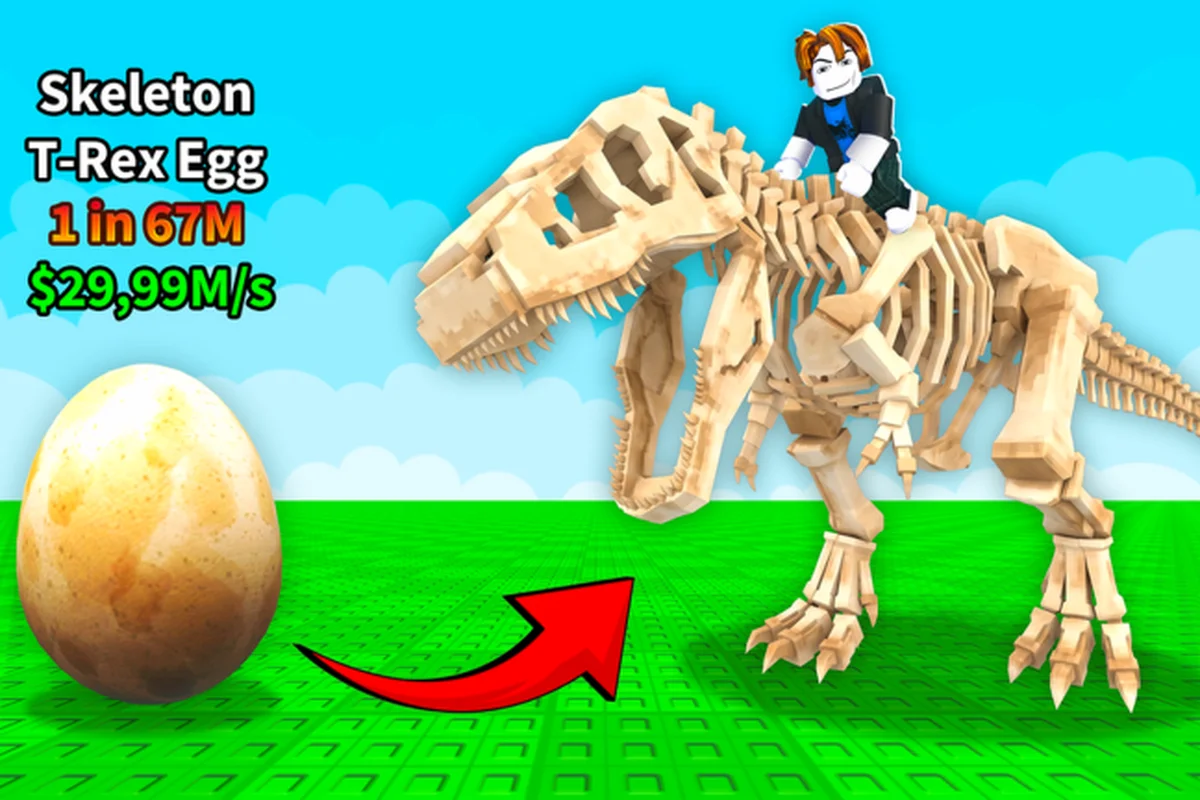
Ride a Dino Dinosaur Picker: Compare Sizes, Speed & Value
Use the Ride a Dino dinosaur picker to compare favorite mounts by size, speed, and value so beginners can confidently choose their first ride.
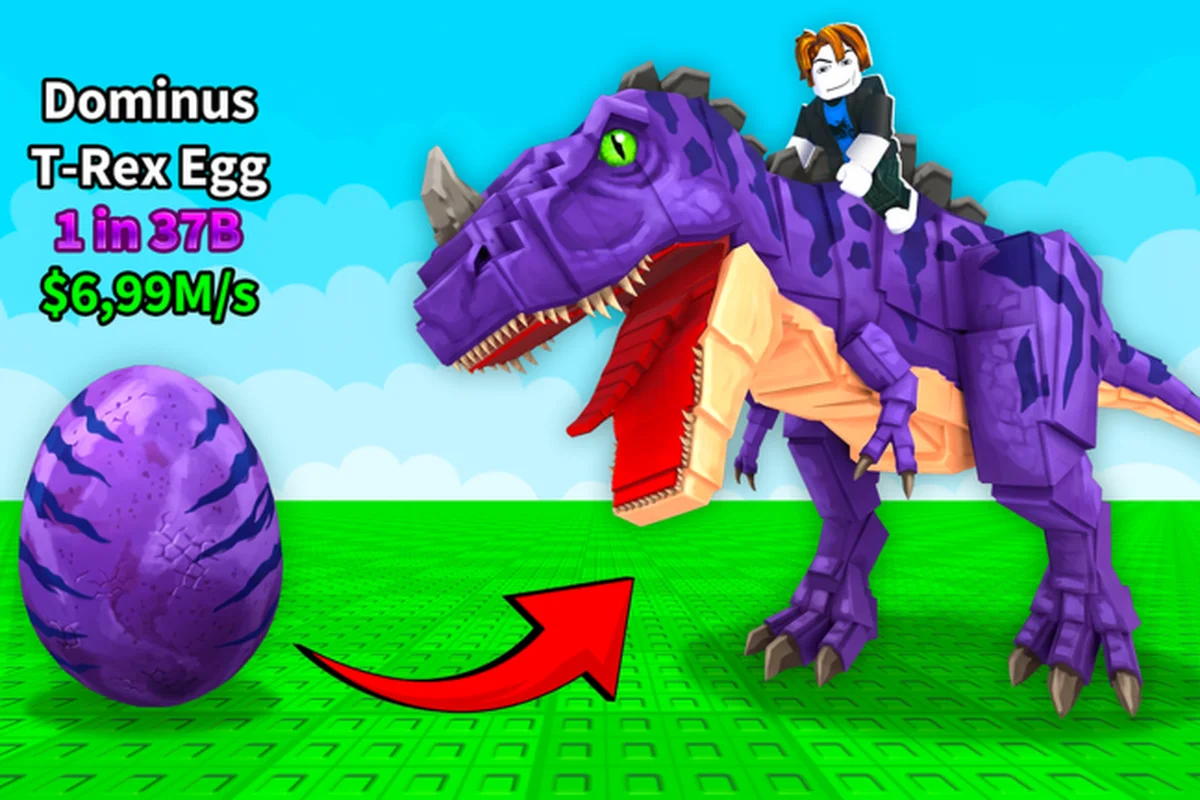
Ride a Dino How Many Dinosaurs: Full Roster Count & Updates
Find out exactly how many dinosaurs Ride a Dino has, how the roster has grown with each update, and which rarities are still waiting to be discovered.
Ride a Dino How to Hatch Dinosaurs: Eggs to Rideable
Learn Ride a Dino how to hatch dinosaurs, from finding eggs to incubating, hatching, and mounting your first rideable dino.
All Articles
Ride a Dino All Dinosaurs: Complete Species & Stat Sheet
Browse the Ride a Dino all dinosaurs catalog, compare every species by stat, and find the rarest mounts worth unlocking before you ride.
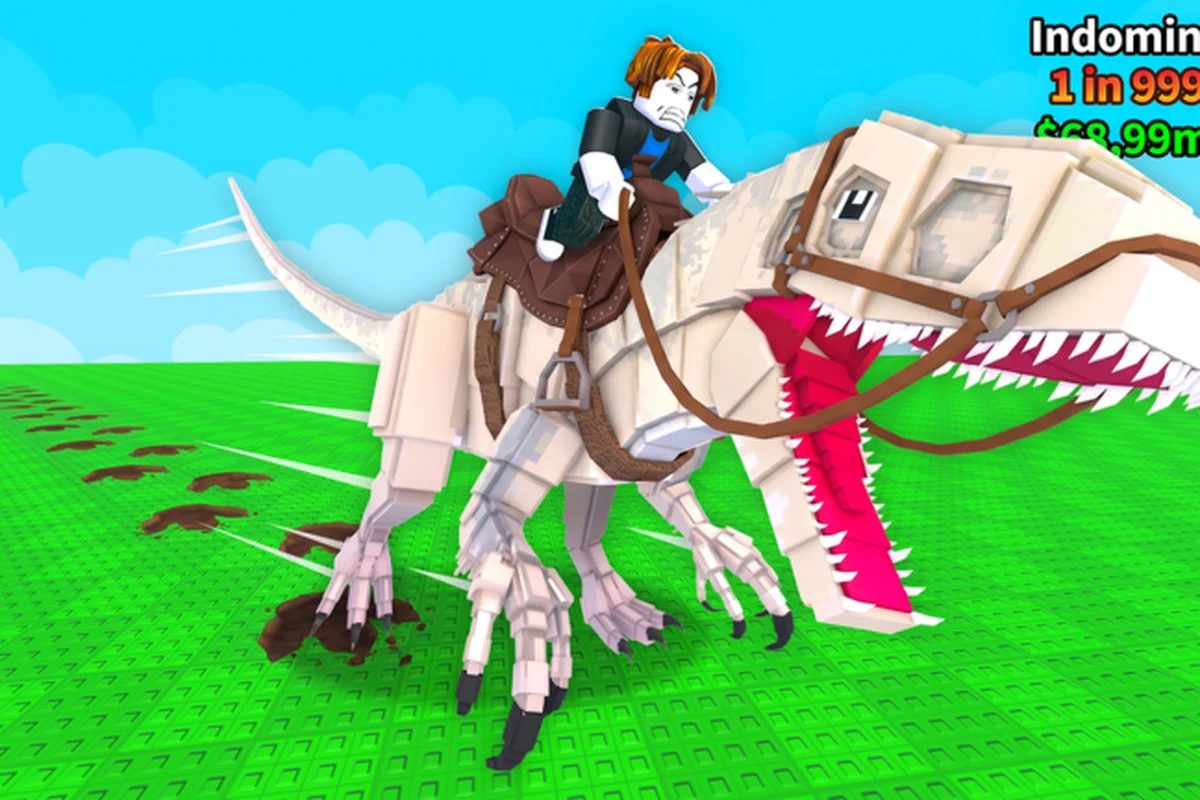
Ride a Dino Dinosaur Run Speed: Measuring a Mount's Movement
Compare Ride a Dino dinosaur run speed across every mount, see which stats actually matter, and discover the fastest dino to ride across the map.
Ride a Dino How to Switch Dinosaurs & Compare Mounts
Master Ride a Dino how to switch dinosaurs, compare common vs rare mounts, and pick the best ride for every situation.
Ride a Dino Strongest Dino: Top Tier Picks & Upgrade Path
Rank the Ride a Dino strongest dino options, learn which rarities dominate, and follow the upgrade path to turn any mount into a top-tier ride.