
Tier List
A method-only tier list for Ride a Dino: judge each hatch on base speed, rarity and mutation headroom, then build a keep-or-replace ranking from your own eggs.
Introduction
Ride a Dino does not publish a ranking of its dinosaurs, and there is no official roster of which hatch beats which. That absence is not a gap in this wiki, it is the honest starting point for the whole category. The only things the game itself confirms are that hatches differ in speed and rarity, that riding a faster dinosaur is what lets you reach eggs tucked into harder-to-find places, and that mutating a dinosaur pushes its speed even further. So a tier list worth reading here has to rank the criteria you judge with, never species you have never seen and cannot verify. What follows is a method, not a leaderboard: three judging axes, a way to record every hatch you open, worked reasoning for what each bucket means in decision terms, and an explanation of why the best-dino lists circulating outside the game describe a different game entirely. Read it as a framework you apply to your own stable, and it stays useful as the game changes.
How to Read the Tiers: What Each Bucket Means
| Bucket | What Qualifies | Decision It Drives | Common Mistake |
|---|---|---|---|
| S | A hatch that comes out quick at base, sits at a rarity worth protecting, and still has room for mutation to stack more speed on top of it | Keep it, ride it as your main mount, mutate it early, and stop treating every later hatch as an automatic upgrade | Filling the slot with whatever arrived most recently instead of what actually moves fastest |
| A | A hatch that is strong on two of the three axes but not all of them, so it is clearly useful and clearly improvable | Ride it while you keep hunting, and treat it as the benchmark every new hatch has to beat | Mutating it heavily before you know whether a better base will replace it soon |
| B | A hatch that is average on base movement and unremarkable on rarity, with mutation headroom that is real but unexciting | Keep it as a second mount or a step on the way up, but keep opening eggs rather than investing in it | Convincing yourself that rarity alone lifts an average mover into a main mount |
| C | A slow, ordinary hatch that shows up often enough that losing it costs you nothing | Retire it, free the slot, and move on to the next find without sentimental attachment | Hoarding every hatch out of fear of missing something, until the stable stops being readable |
Ranking Criteria & Decision Buckets
The Three Judging Axes
What you actually compare when a new hatch lands
Build Your Own Ranking
Why the only list you can trust is the one you hatch
Why Outside Best-Dino Lists Fail
The videos with the most views do not describe this game
Tiers As a Keep-or-Replace Tool
The bucket is a decision, not a shopping list
Worked Bucket Reasoning
Walking the three axes through each letter
Keeping a Hatch Log
The habit that makes the whole method work
Core Mechanics
Ranking in this game is a comparison method before it is a list. The mechanic that makes it possible is that hatching is repeatable and produces variation: you can open eggs indefinitely, each result differs in speed and rarity, and those two properties are the ones the game itself names. That gives you a stable of comparable items, and a tier is simply a label you attach to one of them after comparing it against the others you already own. The second mechanic is riding, which turns an invisible number into an observable behaviour. Speed matters because faster mounts reach eggs hidden in harder-to-find places, so the practical test of any dinosaur is a route you already know: ride it and see whether the awkward stretch of map still slows you down. The third mechanic is mutation, which is a second layer applied on top of whatever the hatch already rolled. Because mutation boosts speed rather than replacing it, a dinosaur's value is not fixed at hatching; it has a current state and a remaining ceiling, and two mounts that look identical when they arrive can diverge the moment you choose which one to mutate. Tiers therefore describe a decision about the next action, not an inherent grade, and they are only as good as the comparisons behind them. No official ordering exists, so the method is the whole system.
Advantages
A methodology tier list has one advantage that a copied ranking can never have: it survives the game changing. This title launched on September 18, 2026 and had already been updated by October 12, so any list naming specific dinosaurs would be a snapshot of an early build with a short shelf life. Ranking criteria instead keeps working through updates, because the axes are drawn from what the game's own description confirms rather than from names that may never have existed. The second advantage is personal accuracy. Your hatch results are the only dataset you have real access to, and they are also the only one that matters, since the question a tier list answers is what to do with the dinosaurs in front of you. A framework you apply to your own stable adapts to how you actually play, whether you are pushing deeper into the map or filling out a collection. The third advantage is defensive. Because several unrelated games share the Ride a Dino name and the most-watched material about that name describes different systems, a criteria-based approach gives you a test for outside advice: if a claim cannot be reproduced in your own session, it does not enter your ranking. That keeps misinformation out of your decisions instead of quietly guiding them.
Challenges
The honest weakness of this category is that it cannot give you the thing a tier list usually promises, which is a shortcut to knowing what is best. There is no official ranking, no published roster and no speed numbers, so every judgement here is built from your own hatches, and a small sample of eggs can mislead you badly. Hatch three dinosaurs and the fastest of the three may simply be the luckiest roll rather than evidence of anything. The second weakness is that speed is the only value axis the game confirms. Rarity and mutation are both named, but if the developer has other uses for dinosaurs that are not described yet, a ranking built on movement alone will miss them, and a young game in heavy iteration can add exactly that kind of system. The third weakness is staleness. Buckets are decisions about right now, and your priorities shift as your stable grows and as the map opens up, so a ranking you set a month ago is a record of a different situation. The fourth is exposure to bad sources: because the category is inherently about judging what is strong, it attracts outside content, and most of that content is about a differently built game under the same name. All of this is manageable with discipline, but none of it is removable, and a reader who wants a fixed leaderboard will not find one here.
Frequently Asked Questions
Is there an official dinosaur tier list for Ride a Dino?+
Why do the most popular videos about this name show a different game?+
What should I actually compare when a new egg hatches?+
How often does this ranking method go out of date?+
Quick Tips
There is no official ranking to look up, and treating that as a problem is the first mistake. The game confirms three things and no more: hatches vary in speed and rarity, riding a faster dinosaur is what reaches eggs hidden in harder-to-find places, and mutating pushes speed higher again. Everything else about which dinosaur is best has to be built by you, from what you have actually hatched and actually ridden. That sounds like more work than reading a list, and it is, but the list you would be reading describes another game under the same name. A method you apply yourself is slower to assemble and considerably more likely to still be right next week.
Tiers are decisions, not descriptions. When you label a hatch, what you are really deciding is whether it becomes your main mount, stays as a second choice, sits in the stable until something better appears, or gets retired to free the slot. That framing matters because it stops the ranking from becoming a wish list. You cannot shop for a specific dinosaur here; you can only find eggs, hatch them and see what arrives. So the useful question at every hatch is not how good this dinosaur is in absolute terms, but what it changes about what you do next, which is a comparison against your own stable rather than against an imagined ideal.
Mutation is the axis most players get wrong, because it is a spend rather than a property. A dinosaur has the speed it hatched with and the speed it could reach once mutated, and the gap between those is what makes one hatch worth committing to and another not. Applying the boost early, before you know whether a better base is coming, spends the improvement on a mount you will replace. Applying it after you have decided to keep pays off on every run you take afterwards, because the dinosaur is already the one you ride. On a young game with an unclear update schedule, waiting a session or two before committing is rarely a loss.
Outside information is not worthless here, it is just untested. The name Ride a Dino is used by several unrelated experiences, and the biggest and most watched of them runs on training machines, era progression and a currency economy that this game's own description never mentions, so anything built around that vocabulary is about a different product. The filter is simple and you can apply it in seconds. Does the claim describe something you can see yourself by hatching an egg, riding the result, or mutating a mount? If yes, it is worth considering. If it depends on names, tiers or numbers you have never encountered in your own session, it fails the test no matter how many views the video has.
Featured
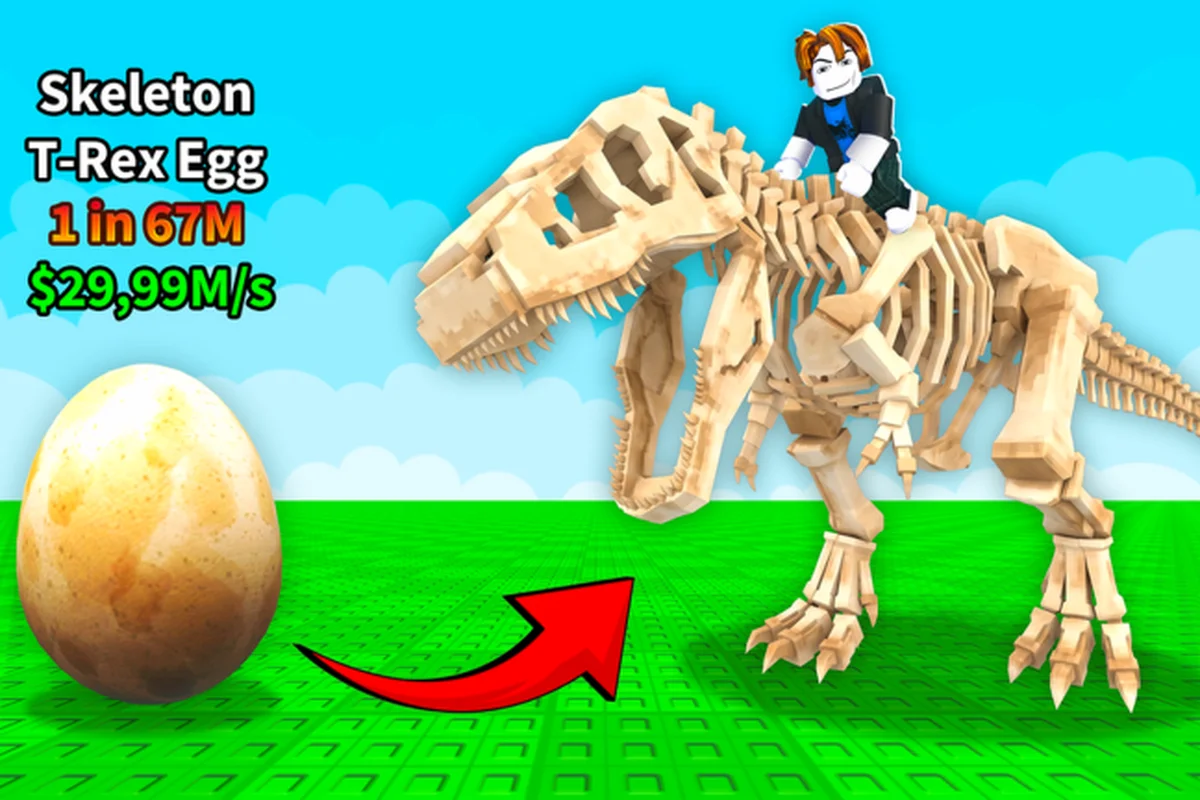
Ride a Dino Keep or Replace: When to Swap Your Mount
Decide the Ride a Dino keep or replace question with clear benchmarks, learn when a new dino actually beats your current mount, and avoid wasted upgrades.
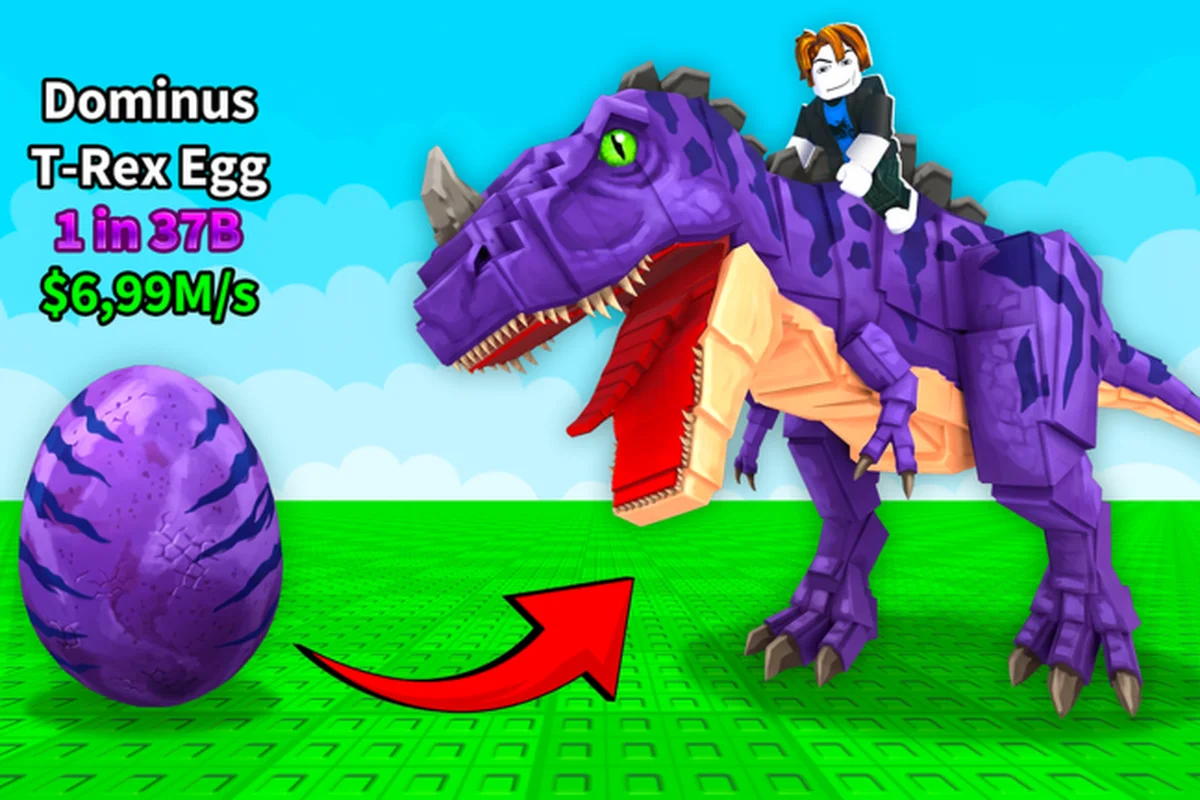
Ride a Dino Rarity Ranking: Which Hatches Are Worth Chasing
Compare Ride a Dino rarity rankings tier by tier, see which rarities deliver the strongest stat value, and spot the hidden gems worth chasing first.
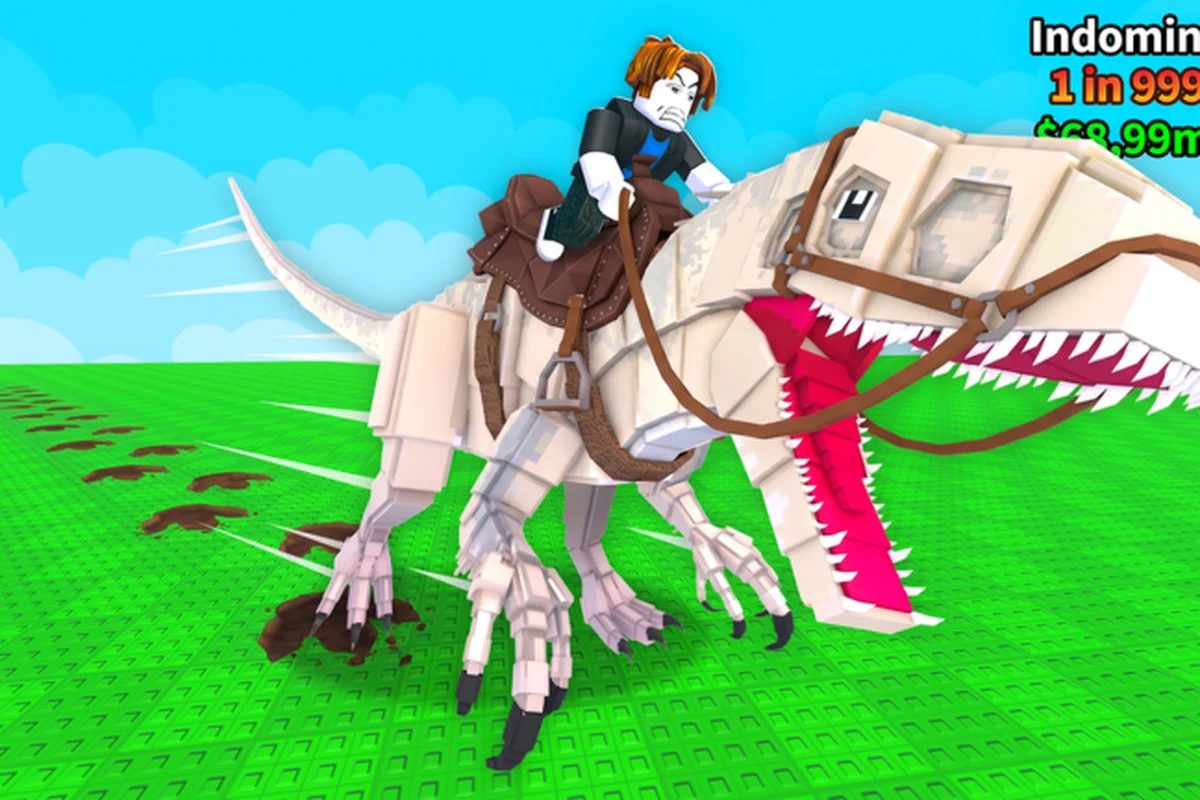
Ride a Dino Tier List: How to Grade Dinos by Speed and Rarity
Browse the Ride a Dino tier list ranking every mount from S to F, compare speed, mutation value, and rarity, and find the strongest dino to ride today.
All Articles
Ride a Dino Dino Ranking Criteria: The Stats That Decide a Mount
Learn the Ride a Dino dino ranking criteria behind every S and A tier pick, see the stats that matter most, and get answers to the top tier list questions.
Ride a Dino Meta Dinos: Best Picks for Every Stage
Discover the Ride a Dino meta dinos dominating early, mid, and late game, and learn which mounts to prioritize for the strongest current playthrough.
Ride a Dino Rarity Tier List: How Hatch Rarity Shapes Your Roster
Browse the Ride a Dino rarity tier list with full S to F rankings, see how each tier performs in stats, and pick the strongest mount to ride next.
Ride a Dino Top 10 Dinos: Speed, Power & Value Ranked
Count down the Ride a Dino top 10 dinos by speed, power, and value, see where to invest your upgrades next, and grab the strongest mount for your playstyle.