
Eggs
Egg hunting in Ride a Dino is a method, not a checklist: plan a sweep route, let speed unlock harder-to-find eggs, and keep your own verified notes.
Introduction
Egg hunting is the opening move of every Ride a Dino session, and it is the one step the official description is most specific about: you explore the map and discover hidden Dino Eggs rather than pulling them from a menu. That single word, hidden, changes how the game should be played. There is no shop list to browse and no visible counter to fill; the map itself is the source, and how much of that map you can actually reach is decided by the dinosaur underneath you. The official wording links the two systems directly, saying that riding faster dinos lets you reach harder-to-find eggs, which makes speed the key that opens the next slice of the world rather than a cosmetic number. Because the game has published no egg names, no locations and no spawn tables, everything on this page is method: how the hidden-egg loop behaves, how to plan a sweep that covers ground efficiently, and how to test claims about respawns inside your own session instead of trusting a stranger's list. As of the 2026-10-18 data capture the game is roughly a month old, so treat every specific as provisional.
How a Hidden Egg Sweep Works
| Search Stage | What You Do | Why It Decides The Session |
|---|---|---|
| Read the shape of the map first | Identify the outer edges, the elevation changes and the dead ends before you start hunting | Eggs described as harder to find sit in parts of the world a slow mount cannot comfortably cross, so the terrain tells you which finds are currently locked away from you |
| Fix one start point and a direction | Choose a single landmark, then sweep outward in strips instead of wandering | Random drifting re-covers ground you already checked and hides the boundaries you never actually reached |
| Match the route to your mount | Before committing to a long loop, decide whether your fastest dinosaur is coming with you | Official wording ties riding faster dinos to reaching harder-to-find eggs, so the route and the mount have to be chosen as one decision |
| Decide radar or blind | Use Infinite Radar when you want the nearest egg located, or search by eye when the point is to map an area | The radar shortens the search step rather than the travel step, so it changes what the session is actually for |
| Log the sweep and its gaps | Write down where you searched and which spots stayed out of reach | The game publishes no spawn data, so your own notes are the only record that carries across sessions |
| Re-run the route after a speed gain | Repeat a sweep you already know with a faster mount and note what opens up | It turns a vague feeling of being quicker into a concrete list of newly reachable eggs |
Egg Hunting Method Cards
Route Planning
Choosing a sweep before you move
The Speed Gate
Why a faster mount means deeper finds
Infinite Radar
Buying back the search step
Your Own Route Notes
Building the log the game will not give you
Respawn Claims
Testing whether a cleared spot refills
Blind Spots
The ground a slow session never reaches
Core Mechanics
The hidden-egg system is a search-and-reach loop, and it is worth separating those two halves because they fail for different reasons and need different fixes. The search half is about coverage: where have you already looked, and which strips of the map have you never actually swept. The reach half is about whether your mount can cross the ground where the harder-to-find eggs sit. The official description confirms both halves without detailing either, saying that players explore to discover hidden eggs and that faster dinos are what let you reach the ones that are harder to find. Infinite Radar compresses the search half by always finding the nearest egg for you, but it does nothing for the reach half, because locating an egg you cannot get to does not put it in your hands. That asymmetry is the most useful thing to understand early: when a session feels stuck, work out whether you are failing to locate eggs or failing to reach them, then spend your effort on the half that is actually blocking you.
Advantages
Writing egg hunting down as a method rather than a list has real advantages in a game this young. A route built on strips and boundaries keeps working after an update changes the map, while a memorised set of coordinates can be invalidated overnight. Because the official material never names an egg, a player who learns to sweep efficiently is not dependent on second-hand data that may describe a different game with the same name. Planning around speed also turns every upgrade into something measurable: you re-run a sweep you already know and watch which previously unreachable spots open up, which is a far better feedback loop than guessing whether a new hatch is genuinely better. Keeping your own notes means your knowledge compounds across sessions instead of resetting, and deciding radar or blind search before you set off keeps a session pointed at one goal rather than drifting between two. Finally, a method transfers to whatever the game adds next, while a fixed list of locations only ever describes the build it was written for.
Challenges
The method approach has costs, and it is honest to name them. Sweep routes take real time to cover, and no plan beats the simple fact that the map is large and an early mount is slow. The game publishes no spawn data, no respawn rules and no rarity tables, so any expectation about how often a good egg appears is a guess rather than a known number, and a player who wants certainty will not find it here. Third-party locations are risky in a different way: several unrelated Roblox games share this name, so a confident location list may describe a completely different title and there is no way to tell from the list alone. Respawn behaviour is best treated as unknown until you have tested it yourself, because the game says nothing and community claims cannot be traced. Route notes also go stale as the game is updated, so every entry needs a date and a willingness to re-verify. And speed, the one confirmed progression axis, is a moving target: a route that is out of reach today may be trivial next week, so the notes you keep are always partly out of date.
Frequently Asked Questions
Does Ride a Dino mark egg locations on the map for you?+
Do eggs respawn, and how long should you wait before returning?+
Is Infinite Radar necessary in order to find eggs?+
Why can I not reach some eggs even though I know roughly where they are?+
Quick Tips
Start a written route log on your very first session, even a rough one. Note the date, which dinosaur you were riding, roughly how quick it felt, and which strips of the map you actually finished. The value is not in the first entry but in the fifth: once you can compare sweeps, you can see which boundaries you keep failing to cross and whether those boundaries move when your mount improves. A log also covers the gap the game deliberately leaves open, because no official source publishes where eggs are or how they behave, so your own record is the only dependable one you will have.
Plan every sweep as strips rather than as wandering. Pick one landmark as your start, then work outward in straight lines so you can see exactly which ground you have covered and which you have not. Wandering feels productive because you are always moving, but it re-checks the same area repeatedly and hides the edges you never touched. Strips also make gaps visible: the parts of a sweep you keep abandoning are usually the parts your current mount cannot comfortably cross, and that is useful information rather than bad luck.
Decide before you set off whether this is a radar session or a blind-search session, because the two have different purposes. A radar session is about throughput: you let Infinite Radar point you at the nearest egg and you collect what you can already reach. A blind session is about mapping: you search by eye and build a picture of where your route ends. Mixing them tends to do neither well, because the radar keeps pulling you away from the boundary you were trying to study, and you finish the session with neither a haul nor a better map of the world.
Treat every respawn claim, including anything you read here, as a hypothesis to test rather than a fact to rely on. The game publishes nothing about how or when an area refills, and community numbers cannot be traced to a source, especially with several games sharing this name. Testing is cheap: clear a small area, log the date, then check back at a few different intervals and write down what you see. Two or three sessions of that gives you a personal rule worth planning routes around, which beats a borrowed number you can never verify.
Featured
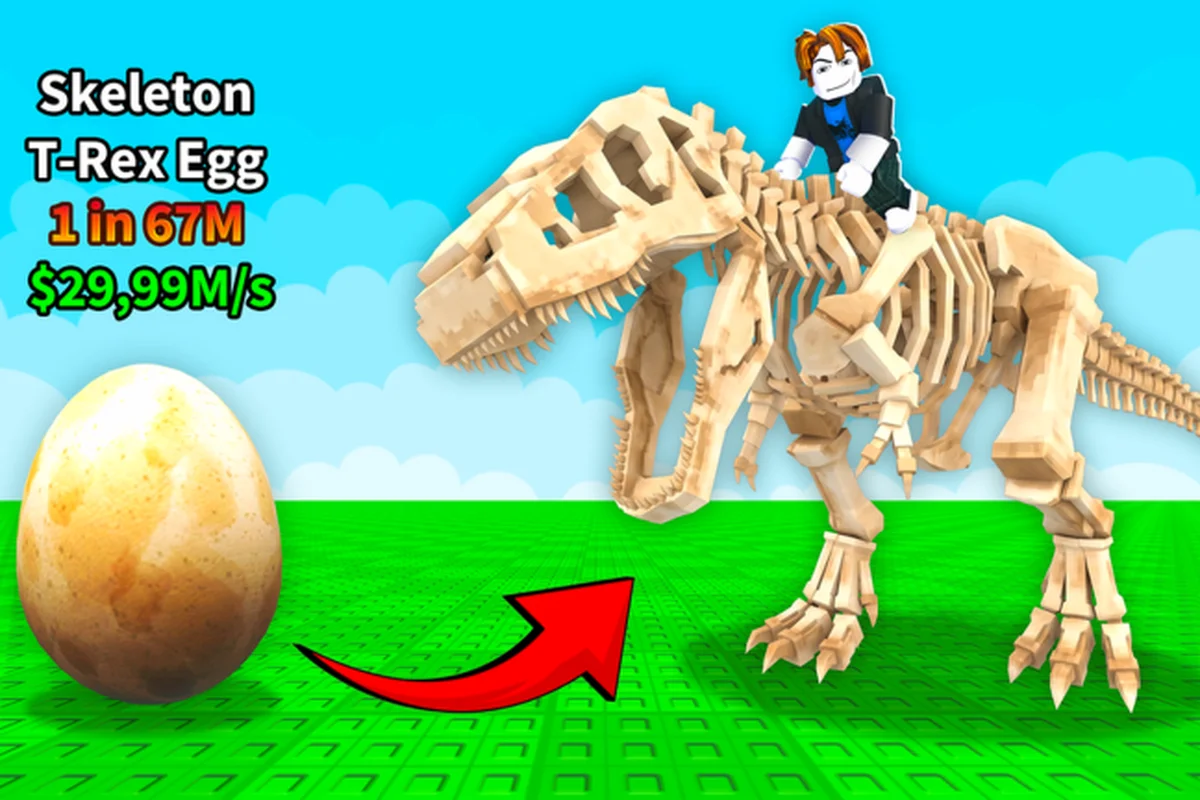
Ride a Dino Egg Farming: Fast Routes for Rare Eggs
Speed up your Ride a Dino egg farming with optimized routes, respawn tricks, and the best spots to grind rare eggs fast.
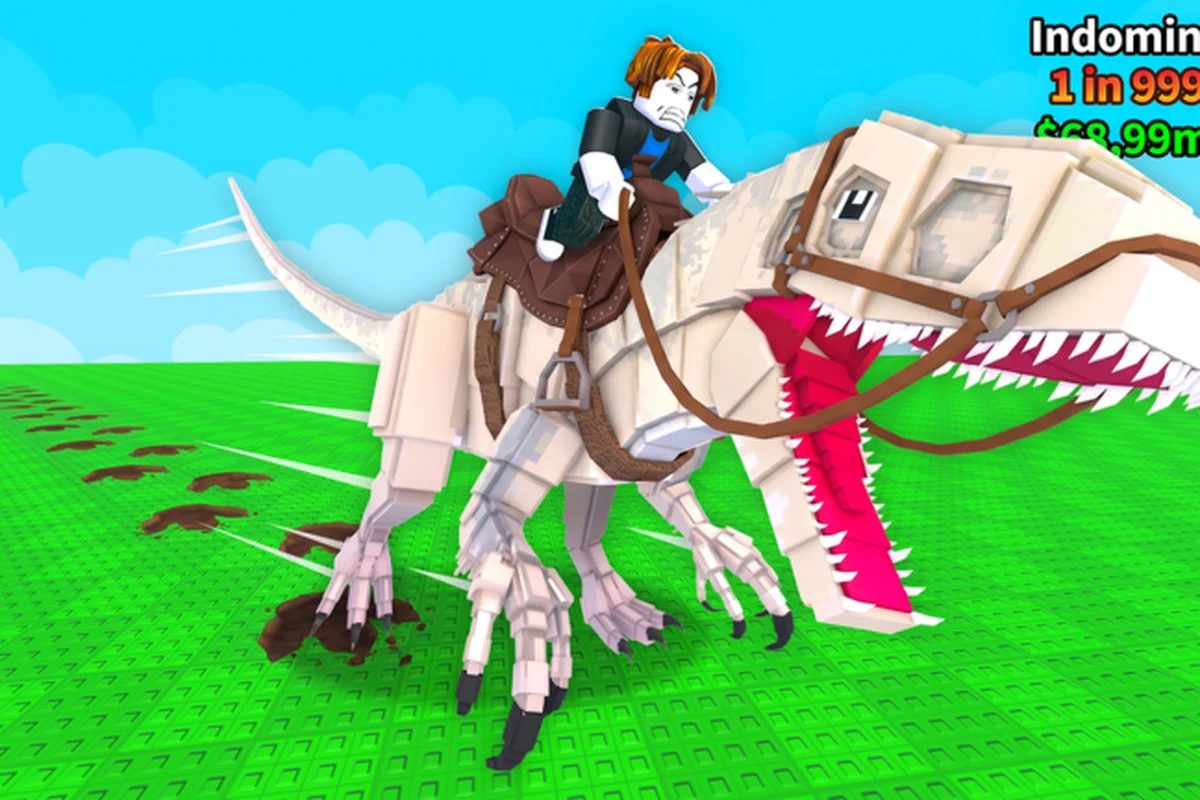
Ride a Dino Egg Finder: Closest Nests & Hatch Routes
Master the Ride a Dino egg finder with fast route tips, the nearest nest shortcuts, and smart tricks to fill your collection without wasted steps.
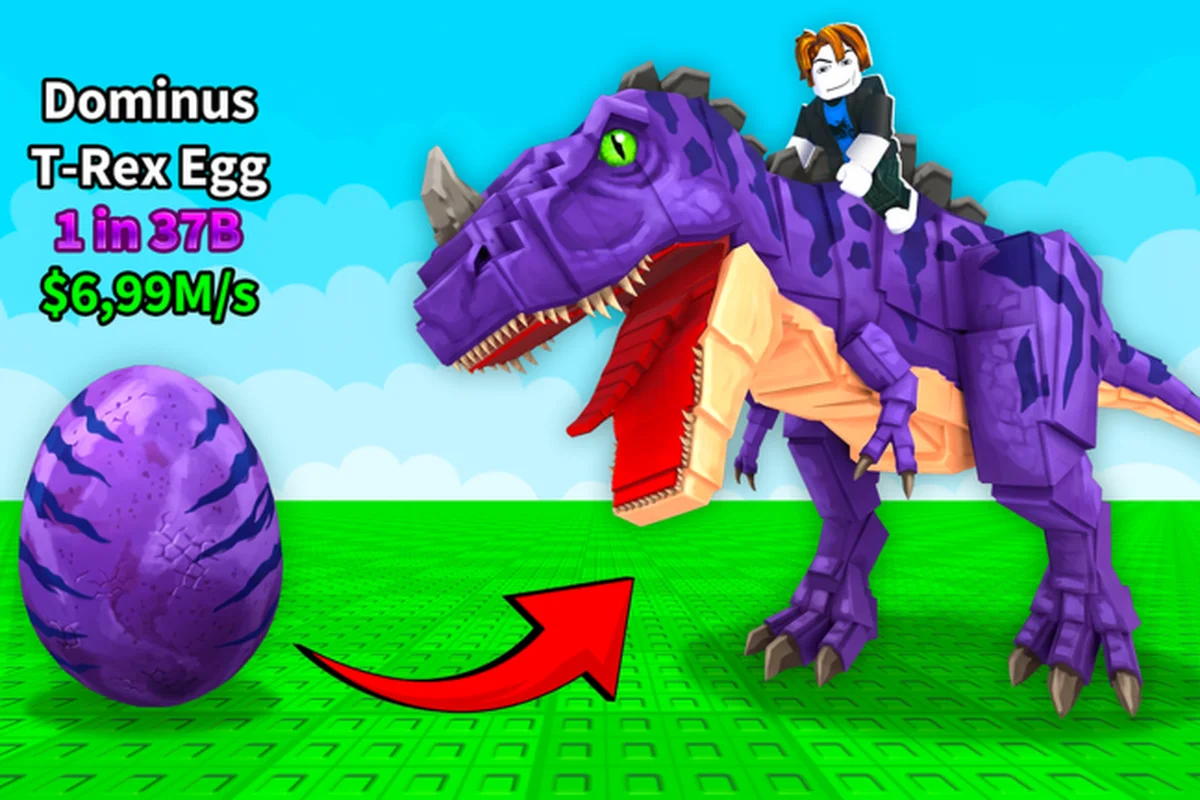
Ride a Dino Egg Guide: Hatch Times, Rarities & Best Picks
Master the Ride a Dino egg guide with clear hatch times, rarity tiers, and which eggs give the strongest dinos for new players.
All Articles
Ride a Dino Egg Hunting Guide: Spawn Times & Egg List
Track every Ride a Dino egg with a full hunting guide covering spawn times, the complete egg list, and how to spot each one.
Ride a Dino Egg Track: Hunt Route for Rare Dinos
Follow the Ride a Dino egg track with a step-by-step hunt route, from your first egg to unlocking rare dinosaurs.
Ride a Dino Egg Locations: Every Hidden Spot on the Map
Pinpoint every Ride a Dino egg location across the map, from easy starter spawns to hidden nests most players overlook.
Ride a Dino Where Are the Eggs: Map & Reach Tips
Find out where the eggs are in Ride a Dino with a detailed map guide, search routes, and tricks to reach the trickiest spots.